Der lange Weg bis Agadir

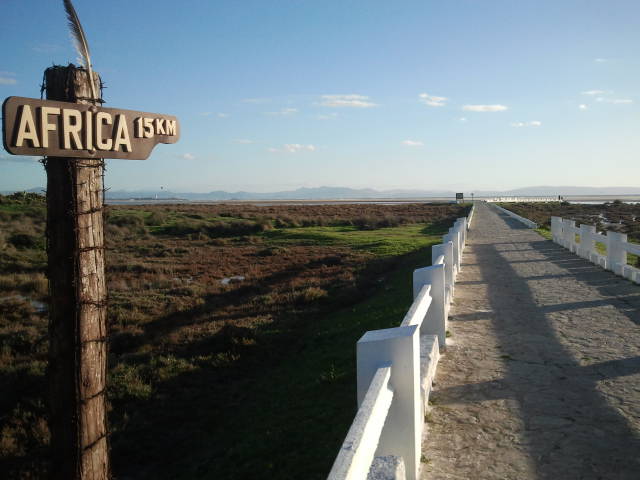
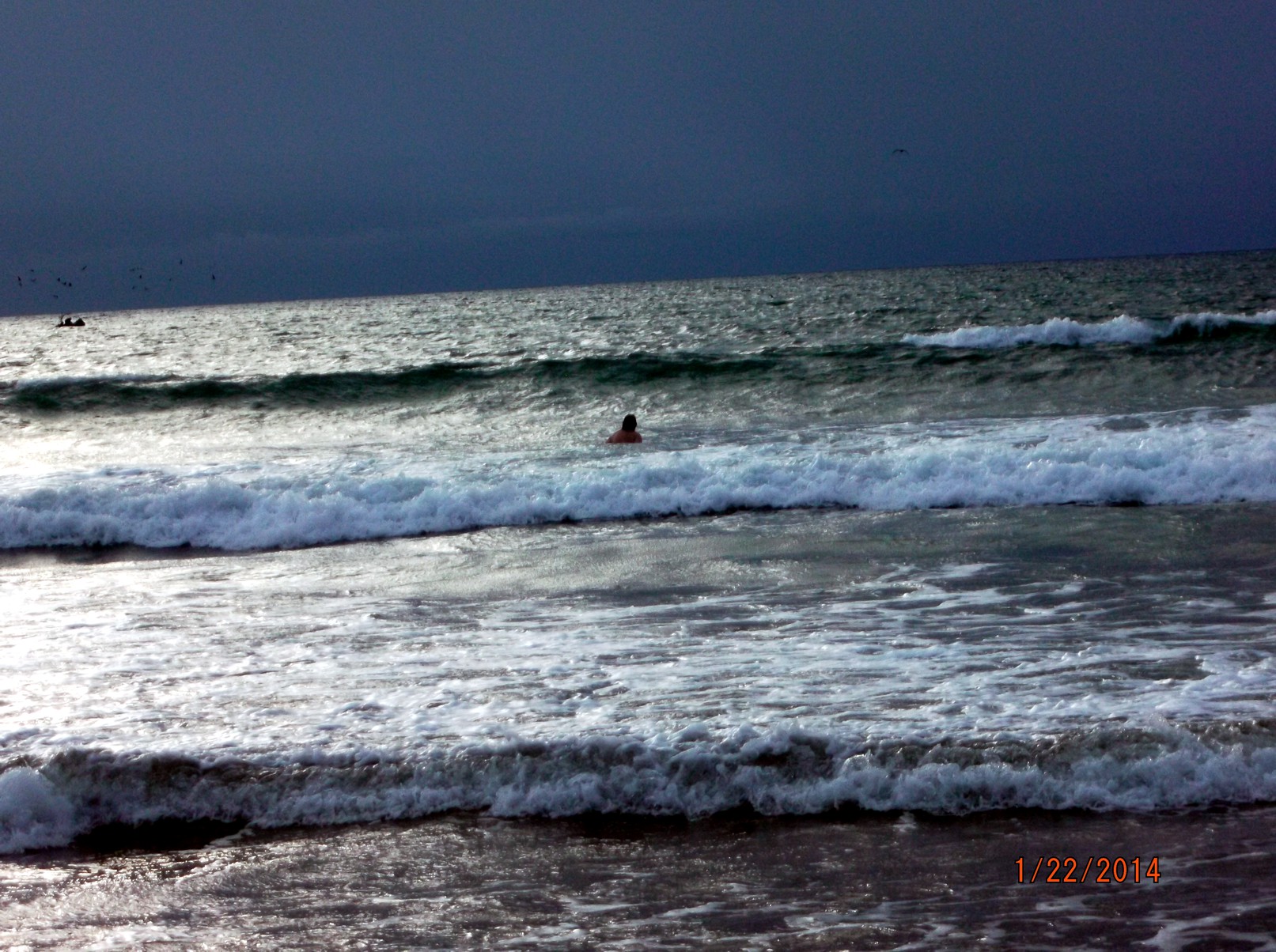
Nach kurzer Rast bei Tagazoud, wo Gringo das kalte Meer ausprobierte und wir die Beifahrerseite des Sprinters vom Rost befreiten, ging es weiter Richtung Dakhla.
Agadir ist extrem gewachsen in den letzten 15 Jahren, der einzige Camping im Ort war ausgebucht, hatte sich allerdings sonst nicht verändert. Nichts funktionierte. Wir haben uns einfach zu den anderen Campern gestellt, die überall an der Küste stehen.

Gringo im Meer

Hier war uns das Wetter noch freundlich gesonnen, was sich bald ändern sollte. Der Umbau zum Schlafen ist doch jedes mal eine große Aktion, wir haben einfach zu viel an Bord.

Rast bei Agadir

Fahrt bis Agadir ohne Probleme

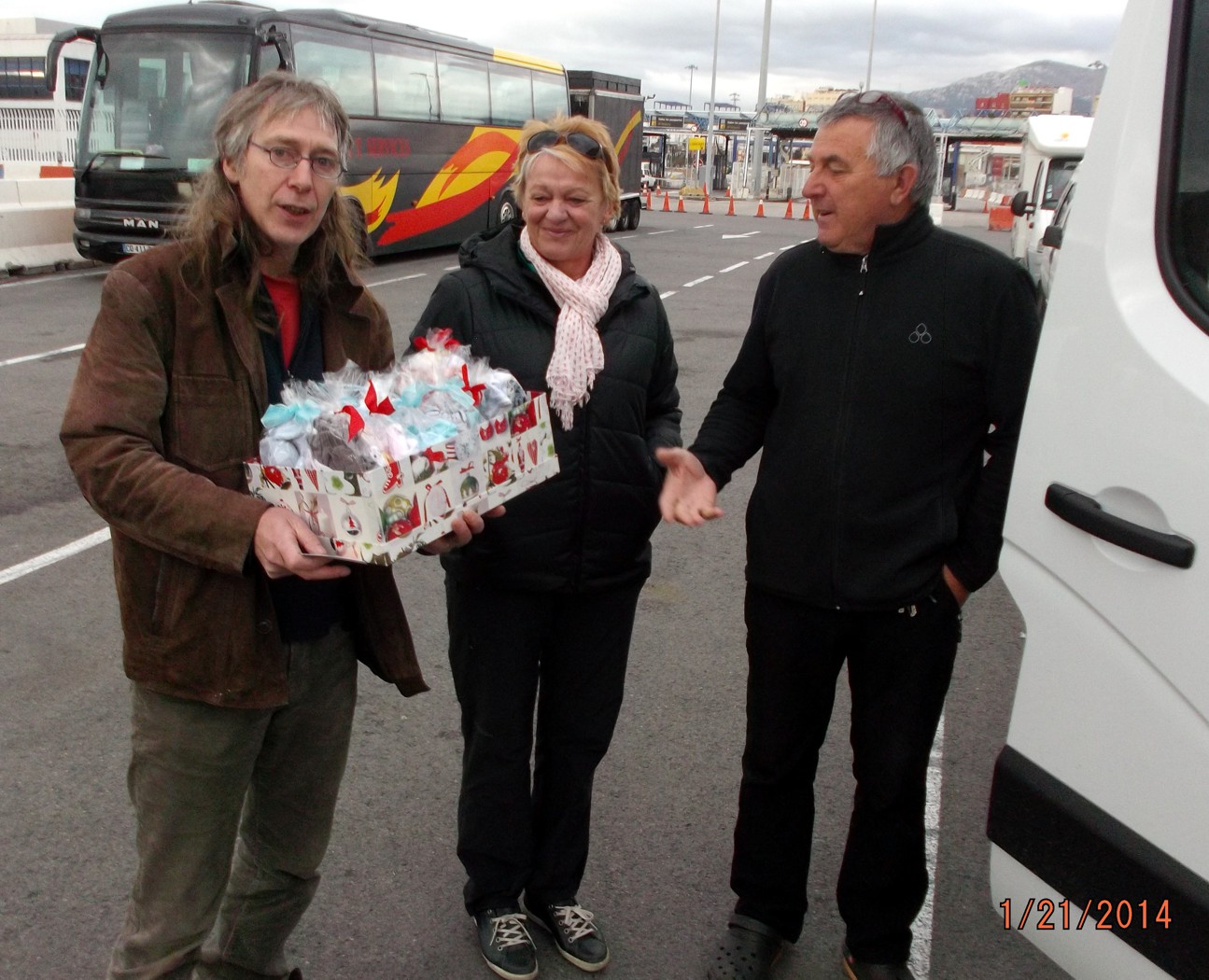
Bisher lief fast alles nach Plan. Nachdem wir lange auf die Fähre gewartet haben und unsere Gesellschaft „Intershipping“ die Fahrt immer gecancelt hat, haben wir umgebucht und sind dann übergesetzt. Bei der Überfahrt bekamen wir noch ein Geschenk für die Kleinkinder Malis von Familie Hämmerle aus Österreich überreicht.

Geschenk

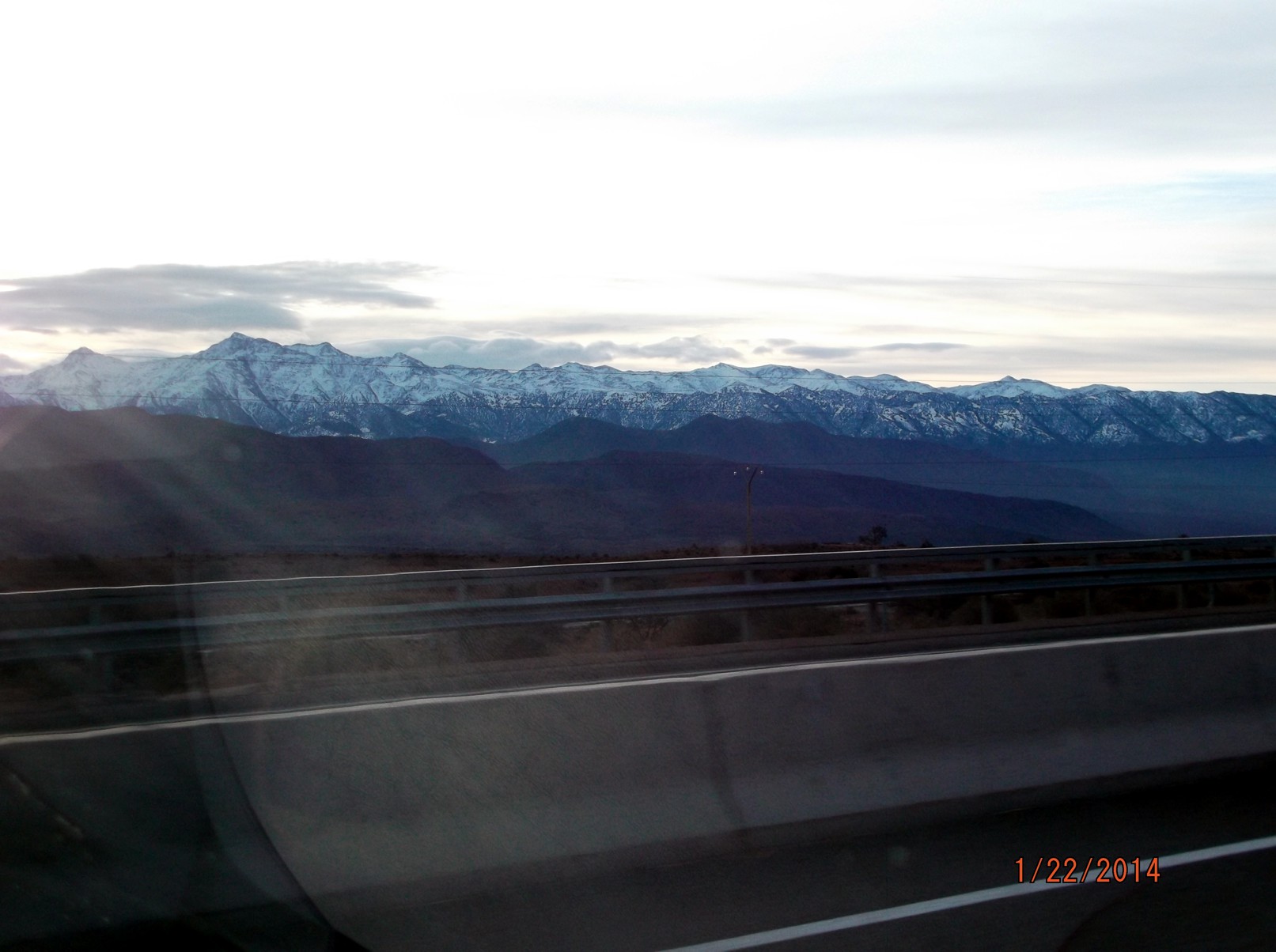
Marokkos neue Grenzanlage ist nun fast fertig und nach anderthalb Stunden hatten wir diese schon passiert. Hier ist alles viel einfacher geworden, da Flotten Wohnmobile in Marokko überwintern. Bis Agadir war es eine lange Fahrt und auch eine extrem kalte Übernachtung, da wir in den Bergen unser Nachlager aufschlugen.

Berge


Warten auf die Überfahrt

Nachdem alles soweit geklappt hat, warten wir nun auf die Überfahrt mit der Fähre, da sich der Landweg als Irrweg zeigte. So verfahren hatten wir uns noch nie! Man sollte doch nicht immer auf die Navigationsgeräte vertrauen.

Irrfahrt

Die Fähren fahren im Augenblick unzuverlässig. Gebucht war für heute eine Fahrt um 15:00 h. Diese wurde gecancelt und die nachfolgende um 17:30 h ebenfalls. Da wollten wir nicht auf die um 21:30 h warten und die Nacht im Hafen verbringen.
Jetzt wurde versichert die Fahrt Morgen um 9:30 h soll definitiv stattfinden und wir sind zuversichtlich, dann endlich weiter zu kommen.

Die Hoffnung stirbt zuletzt.
Grüße aus Algeciras


Mali’s Dogon Hit By Double Crisis

16 January 2014. 

Nombori — The region around Bandiagara, in central Mali’s Mopti Region, is struggling to cope with the dual crises of successive poor harvests and the near-total collapse of its once-thriving tourist industry.

Nestled among giant boulders at the base of the Bandiagara Escarpment is the mud-built village of Nombori, home to around 1,200 ethnic Dogon people. There, Pilif Guindo’s small clinic is struggling to cope with a steady increase in child malnutrition.

The clinic sees 15 new cases of malnutrition per week, a threefold increase in as many years, explains Guindo, a doctor who practices both modern and traditional medicine. „The people used to eat well here,“ he tells IRIN. „But now, the mothers are not eating well, and the babies are not getting milk.“

Guindo says he usually hands out vitamin B tablets and advises the children to eat more. But after years of poor rains and disappointing harvests of the staple, millet, food insecurity is rife. A recent government food-security study, not yet out, found that Bandiagara was currently the area most at risk.

After an extended dry spell in September, other parts of the country with below-average harvests are Koulikoro, Ségou and Kayes, according to the Famine Early Warning Systems Network (FEWS Net).
http://allafrica.com/stories/201401161349.html
 

Veröffentlicht unter Mali

In Afrika muss Leyen erste Entscheidungen treffen

Von Thorsten Jungholt , Bamako und Koulikoro

Ihre erste Reise führte die neue Verteidigungsministerin Ursula von der Leyen nach Afghanistan. Doch die ersten Entscheidungen warten anderswo: Ein Besuch bei der Bundeswehr in Mali.

Blitzblank geputzt parkt der BMW, Typ 318i, im Kasernenhof. Es ist ein älteres Modell, aber er fällt sofort ins Auge. Denn der Wagen mit Hamburger Nummernschild steht in Koulikoro, einer Ortschaft am Ufer des Niger, in der nicht wenige Einwohner noch mit Eselkarren umherzockeln. Und wer die 65 Kilometer über eine holprige Schlaglochpiste aus Malis Hauptstadt Bamako hinter sich gebracht hat, dem drängt sich die Frage auf: Wer nur hatte die Idee, eine deutsche Mittelklasselimousine in diese Offiziersschule der malischen Streitkräfte mitten in Westafrika zu verfrachten?

Die Antwort liefert Nouhoum Mamadou Traoré. „Ich bin sehr stolz auf meinen BMW“, sagt der Colonel. „Das ist mein Schatz. Ich nenne sie Julia.“ Traoré liebt nicht nur bayerische Autos, er nennt sich selbst „ein deutsches Produkt, einen Offizier made in Germany“. Der malische Oberst wurde elf Jahre lang in Deutschland ausgebildet: zum Zugführer, zum Kompaniechef, es folgte ein Pädagogikstudium und schließlich der Schritt an die Führungsakademie der Bundeswehr in Hamburg. Dort erstand er auch den BMW, den er per Schiff in seine Heimat transportieren ließ.
http://www.welt.de/politik/deutschland/article123360526/In-Afrika-muss-Leyen-erste-Entscheidungen-treffen.html

Senegal: Thousands of Health Workers in Senegal Receive No Pay. Is That Fair?

BY AMY COSTELLO, 19 DECEMBER 2013

In many parts of Latin America, Asia and Africa, there aren’t enough doctors and nurses to care for everyone who is sick. So charities and governments have enlisted thousands of volunteers to serve as community health workers.

These volunteers provide much-needed care, and because they draw no salary, they offer a cost-effective solution in impoverished places. But who is looking after the interests of the volunteers?
I traveled to the West African nation of Senegal, which is rolling out a national health program that relies on volunteers.

Only Sundays off

I headed to Ngueringne Bambara, a village about an hour outside Dakar, the capital. I walked into a bustling medical clinic. The clinics are called „health huts“ in Senegal, but this one was brick and mortar.

Awa Diagne

Inside, I met Awa Diagne, a volunteer who was tending to that day’s patients.
She took the pulse of a sick infant. She treated a man with a nasty gash in his leg. She saw a woman with wounds across her back that she had sustained in a car accident a few weeks earlier.

Read more: http://allafrica.com/stories/201312231880.html

West Africa: Mali and Central Africa – Two Fronts in Sahel

23 DECEMBER 2013,Centre for Strategies & Security, Nouakchott

One year since the French military intervention in Mali, the underlying drivers of violent extremism remain strong in the Sahel Sahara. Though deeply hurt, on the run and their operations largely on hold, the armed groups still commend enough capacities to challenge the long term objectives of external military interventions.

A fluid situation.

As its main objective was to save Mali territorial integrity, and not necessarily to eradicate the radical groups, the French military operation, has succeeded in that regard.

Indeed most of the root causes of instability in the region – exclusion, nepotism and irredentism, have rather increased due to the current political uncertainties. Corruption, which undermines most values, including those of hard work and effort, remains pervasive. In addition, the new industry of fake and false „legal“ papers, documents and goods, including medicines, has weakened further public institutions and exacerbate peoples‘ frustrations.

http://allafrica.com/stories/201312240294.html


Mali: Car Bomb in North Kills Several UN Peacekeepers

Voice of America (Washington, DC), 14.12.13

A spokesman for the United Nations peacekeeping mission in Mali says several peacekeepers have been killed and wounded in a suicide car bombing.

The soldiers, part of the UN peacekeeping force known as MINUSMA, died Saturday, when a suicide bomber detonated his car in front of a bank they were guarding in the northern city of Kidal.

Officials do not have firm word on the number of casualties and there was no immediate claim of responsibility for the attack.

Several militant groups, including the ethnic Tuareg, used the confusion of a military coup in the capital, Bamako, in March of 2012 to assert control in the country’s north, where they planned to establish an Islamist state.

The central government reasserted its control in northern Mali after a French-led military operation in January.

The militants are no longer able to carry out major military actions, but the residual groups of these fighters stage sporadic small-scale attacks in the north.

http://allafrica.com/stories/201312140639.html

Veröffentlicht unter Mali

Mali: Find the Child, Treat Them Early – Message From Mali

13 DECEMBER 2013, Dakar

The mortality rate among children under age five living in Yirimadjo, Mali, southeast of the capital, Bamako, decreased by nearly tenfold over three years after the Malian Ministry of Health and NGOs Tostan and Muso introduced a new healthcare model: proactively seeking out patients and treating them early.

study on the programme, by researchers from Harvard Medical School and the University of California San Francisco (UCSF), published this week in PLoS ONE found under-five mortality dropped from 155 deaths per 1,000 children to 17 deaths per 1,000.

„The intervention was based on a simple but powerful hypothesis,“ said Ari Johnson, a researcher at UCSF School of Medicine and co-author of the study. „If we reorganize and redesign the way health systems reach patients early, could it be possible to avert a large number of child deaths?“

While under-five child mortality rates have been declining throughout Mali over the past decade – from an average of 197 deaths per 1,000 in 2002 to 130 per 1,000 in 2012, according to the researchers, this intervention has produced dramatic results.

http://allafrica.com/stories/201312170687.html

Mali: More Terrorists Killed in Mali

By Bakari Gueye, 12 December 2013

Nouakchott — French troops killed 19 Islamist militants Tuesday (December 10th) during an army operation in northern Mali, AFP reported.

„A French military operation is under way north of Timbuktu. French troops are facing a pretty determined group. At the moment, 19 members of this group have been killed,“ a Bamako-based French military source said.

„The French troops haven’t reported any deaths or injuries. We are in control of the situation,“ the source added, without specifying which Islamist group the militants were part of.

The violence comes as Malians prepare to vote on Sunday in a second round of parliamentary polls.

According to terrorism expert Sidati Ould Cheikh, „Since the launch of Operation Serval, the armed groups have become weaker, but they are still active in the region. And for some time, they have been going increasingly on the offensive. Many attacks have been carried out over the past three months.“

http://allafrica.com/stories/201312130304.html